
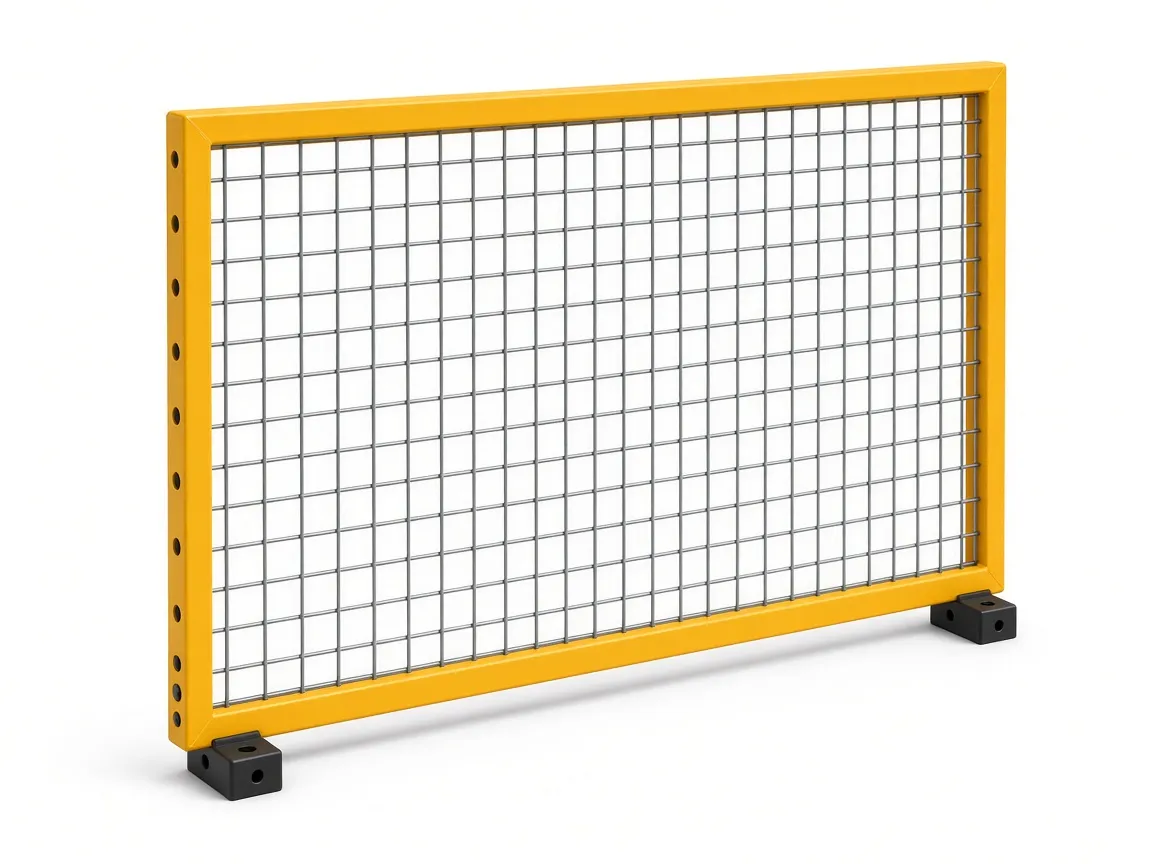
 D Series
Applications
Conveyor guarding
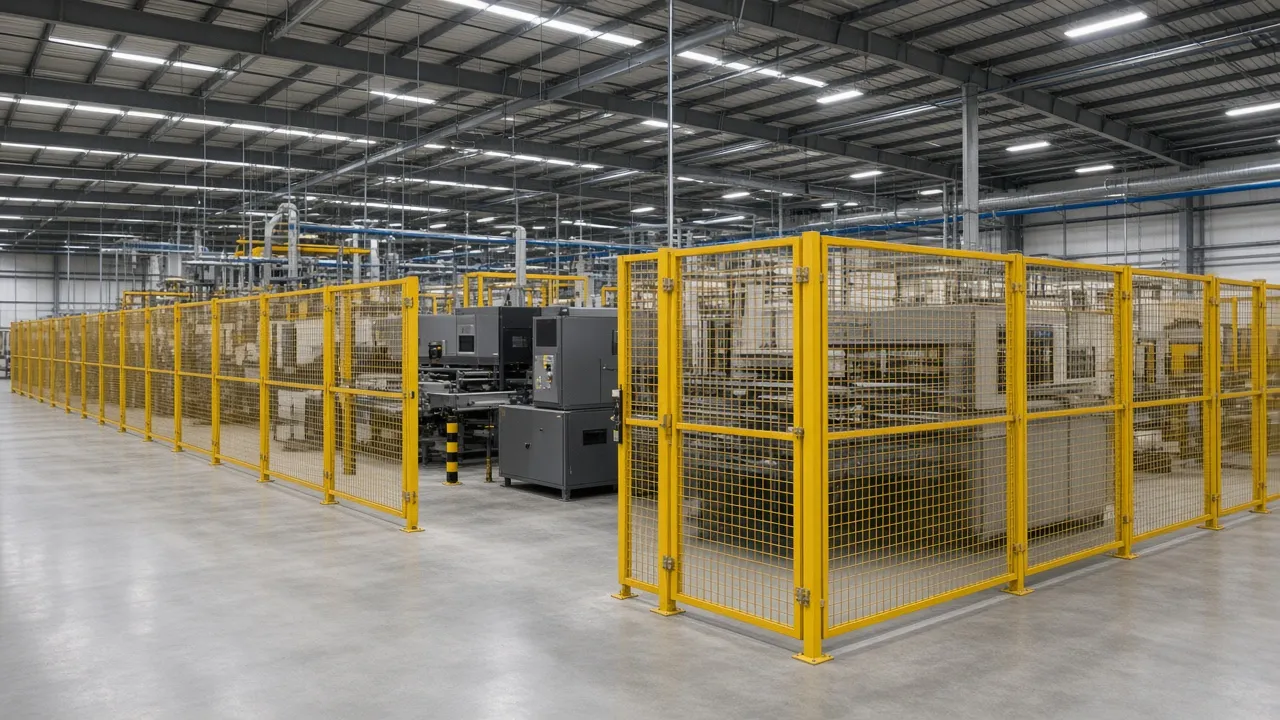
Low and full-height barriers along conveyors and transfer systems, and guarded openings where conveyors enter automated cells.
Conveyor Guarding
Guard the length of the line and every transfer point.
Conveyors create nip points at rollers, transfers and drives, and they carry material into and out of automated cells. Modular fence panels guard long runs without site fabrication, while tunnel guards or protective devices cover the points where a conveyor passes through a fence. Every opening is checked so a reaching arm cannot get to a hazard.
What we configure
- Fencing along conveyor runs
- Guarded entries into robot and machine cells
- Sliding gates along tight aisles
- Crossings and maintenance access
Check on every layout
- Openings around the conveyor
- Distance from openings to nip points
- Clearance for maintenance
Recommended products
Products for conveyor guarding.
D Series
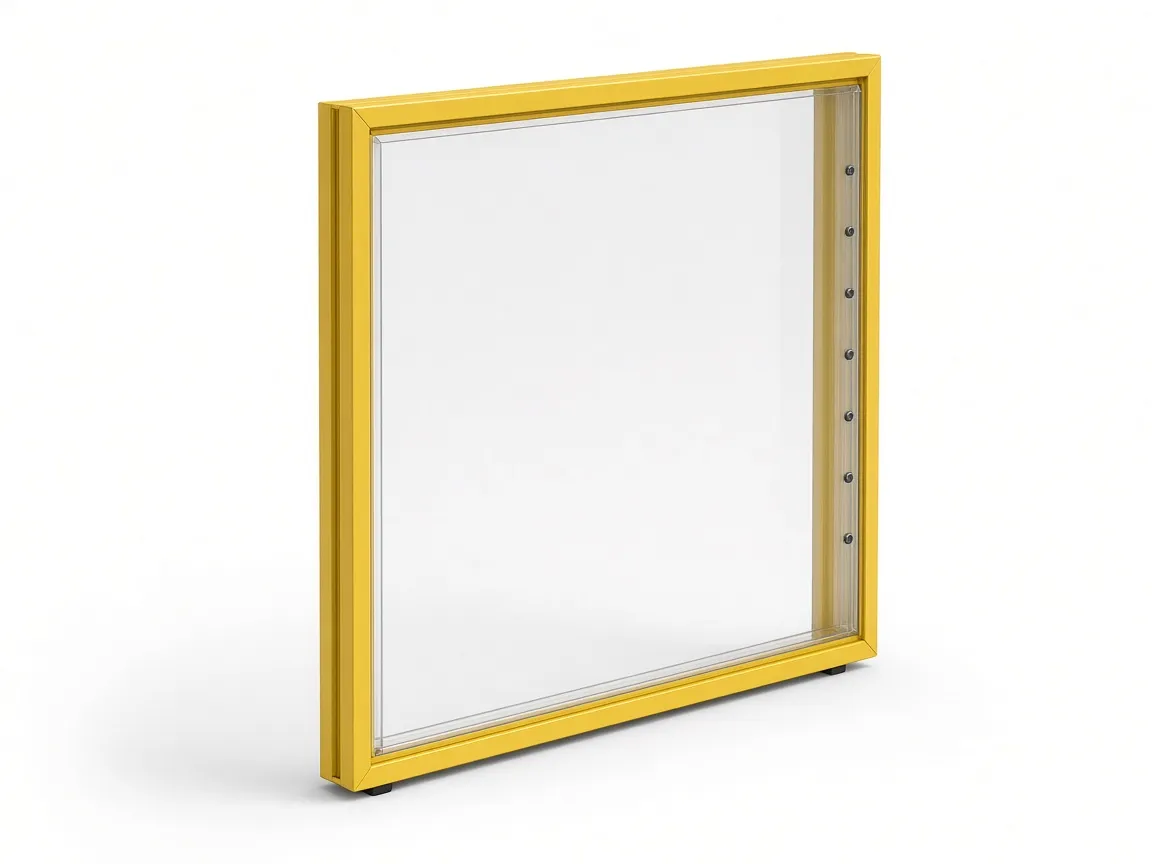 PC Series
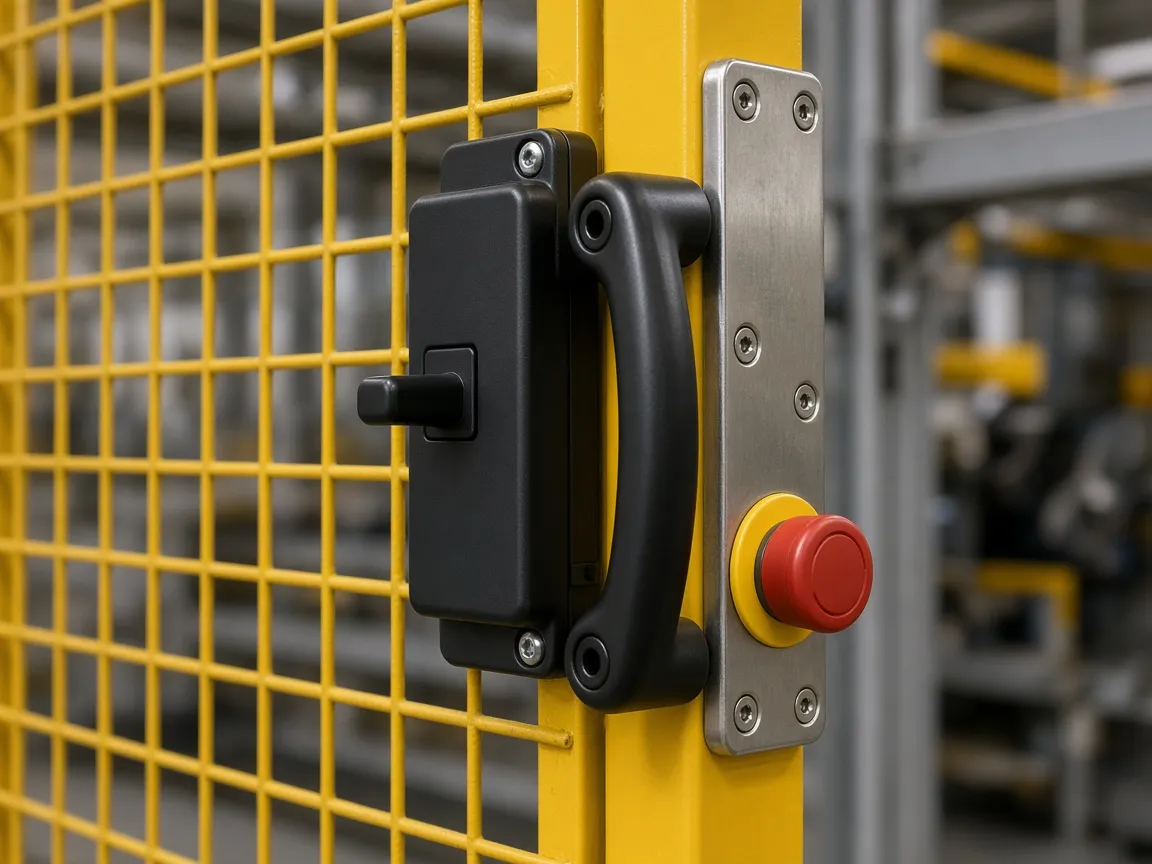 Gates
FAQ
Frequently asked questions
How do you guard a conveyor entering a robot cell?
With a tunnel guard long enough that a reaching arm cannot get to the hazard, or with a light curtain and muting at the opening, sized with ISO 13857 or ISO 13855.
Which OSHA rules apply to conveyors?
General machine guarding under 29 CFR 1910.212 applies to conveyor hazards such as nip points, and mechanical power-transmission parts fall under 1910.219.
Can conveyor guarding be changed later?
Yes. Modular panels in many widths can be moved or extended when the line changes, without cutting or welding.
Send us the layout.
Share a layout, a sketch or a few dimensions and we will propose the guarding for your conveyor guarding.